
Double-Hung, Casement or Picture Windows: Choosing Styles for Your Georgia Home
Choose replacement window styles around the way you use each room
The window above a kitchen sink has a different job from the one beside a favorite reading chair. One needs to be easy to reach and open. The other may be there for daylight, a view, or both. When choosing replacement windows for a Georgia home, start with those everyday needs.
Double-hung, casement, and picture windows offer different ways to use an opening. This guide explains the practical tradeoffs and gives you a room-by-room checklist to discuss before ordering.
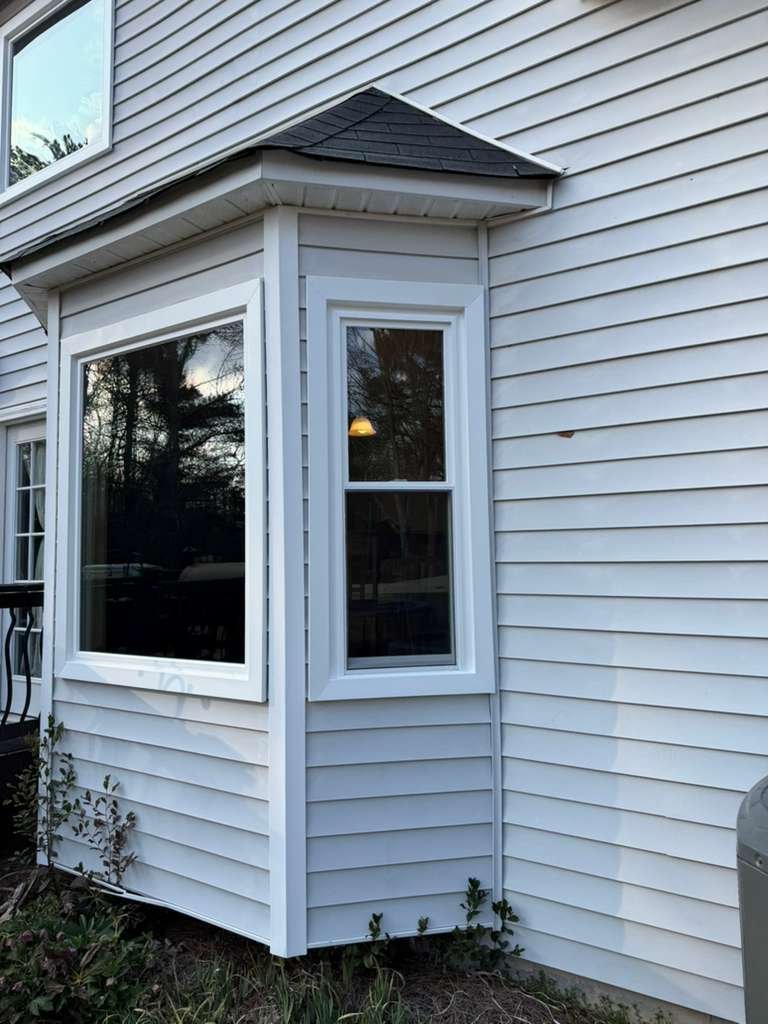
1. Double-hung windows: Check reach and cleaning features
A double-hung window has two vertically sliding sashes, the framed sections that hold the glass. The lower sash moves up and the upper sash moves down. A single-hung window looks similar, but its upper sash stays fixed. The NFRC guide to window types explains these operating differences.
Double-hung windows are worth considering where you want an opening window without an outward-swinging sash beside a path or patio. Try the proposed model before choosing: can you comfortably reach the locks, lift the lower sash, and operate the upper one?
Models with tilt-in sashes can make exterior-glass cleaning accessible from indoors. Confirm which sashes tilt and ask for a demonstration of the manufacturer’s cleaning procedure. The feature should be checked for the specific product, especially for upstairs rooms.
2. Casement windows: Look inside and outside the opening
Casement windows are hinged at the side. Many residential models open outward using a crank. That operator can be useful above a kitchen sink, but check the handle’s position against your faucet, backsplash, and window coverings.
Also walk outside. An open sash needs clearance from people, furniture, and nearby obstacles. Andersen’s window-style guide highlights both the usefulness of crank operation over a sink and the potential for outward-opening windows to obstruct walkways, porches, or decks.
Ask which way each casement will open and have that direction shown on the proposal drawing. Confirm how you will clean the exterior glass; access varies by product and placement.
3. Picture windows: Plan ventilation separately
A picture window is fixed, so it does not open. It can be a good candidate when the main goal is a view or daylight. If you also want an opening window in that area, discuss a combination with operable side windows. Pella’s picture-window guide shows how fixed windows can be combined with other styles.
Review a drawing of the entire arrangement. Frame widths, grilles, and the proportions of the side windows affect what you see from your seat. Before changing an existing opening window to fixed glass, ask the installer to check the room’s ventilation and applicable safety requirements.
Include cleaning access in the decision. For a high or hard-to-reach fixed window, ask how the outside surface can be maintained safely.
Compare performance for the exact window
Once you have narrowed the operating styles, compare the proposed products and glass packages. The NFRC window ratings guide explains U-factor for heat transfer, solar heat gain coefficient (SHGC) for incoming solar heat, and visible transmittance for daylight. A style name alone does not tell you those ratings.
For your Georgia home, use the ENERGY STAR Climate Zone Finder with your state and county. Ask whether the exact configuration being quoted is certified for that location. Bring notes about direct sun, shade, and comfort concerns in each room.
Our guide to U-factor, SHGC, and Low-E glass explains the ratings in more detail.
Make a short room-by-room list
Before the assessment, write one priority and one practical constraint for each opening. For example:
- Kitchen sink: Easy operation matters; check the handle’s reach and what sits outside.
- Living room: Decide where you want a clear view and where you want windows that open.
- Upstairs room: Ask to see the cleaning procedure before selecting a model.
- Window beside a deck: Check whether an open sash would interrupt the walking route.
- Bedroom: Have the installer confirm the opening and safety requirements before changing styles.
This is a discussion list, rather than a specification. The installer still needs to assess the opening, measurements, condition, and suitable installation method.
Confirm the details before ordering
- Which sections open, and in what direction?
- Can everyone who will use the window reach and operate it comfortably?
- How will the glass be cleaned and the screen removed?
- What will the frame, grilles, and visible glass look like?
- Which exact product, glass package, and ratings are included?
Keep those answers with a labeled drawing of each opening. Then use our replacement window quote checklist to compare proposals with the same style and configuration. A useful choice should make sense from your room, from outside the house, and in everyday use.
This guide provides general product-selection information. Your home’s conditions, applicable requirements, and the selected manufacturer’s instructions determine the suitable window configuration and installation.